If I Were Starting Photography Again, This Is What I’d Do
“Hey ChatGPT, how do I get started with photography?”
You could ask your robo-pal, and it’d probably give you a pretty decent answer. It’d tell you all the right things and, technically speaking, you’d probably see yourself get marginally better over time.
But wouldn’t you rather hear it from someone who’s actually experienced the frustration of getting half a photo perfectly exposed, only for the other half to be pitch black?
Wouldn’t you rather hear the lessons from someone who’s been on a once-in-a-lifetime trip with their closest friends, and when he’s asked: “how are the photos looking?”, he can only respond by shaking his head…
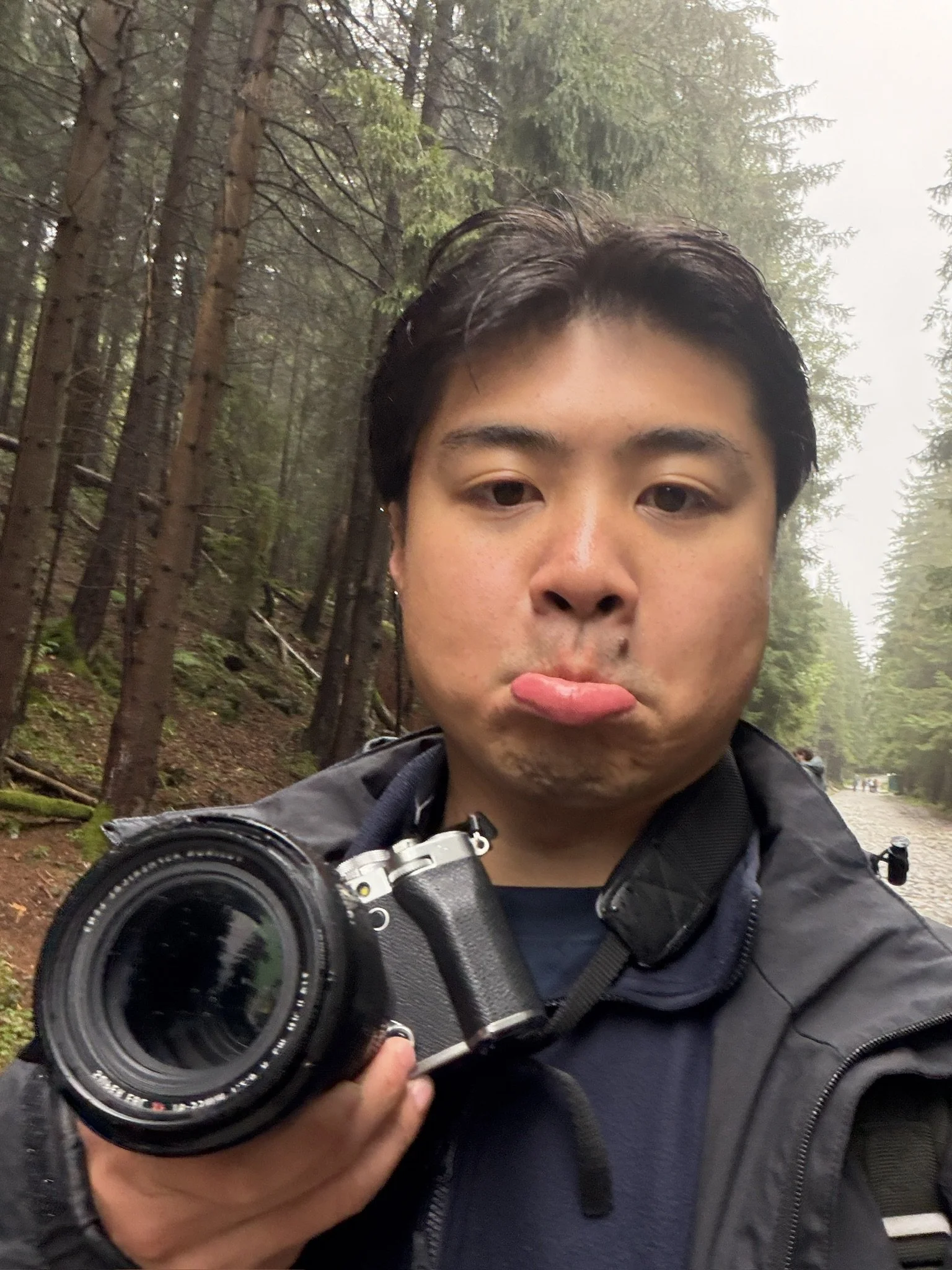
Well - I'‘m your guy 👋
Someone who actually knows the frustrations of starting out in photography.
Because believe me, I’ve made pretty much every mistake you can make.
And thankfully, I’ve learnt from most of them.
So, if I were starting photography all over again, here’s what I’d do differently.
1. Stop stressing Over What Camera to get
The camera you own is probably already good enough. Even if that’s just your phone.
Time and time again, I’m asked questions around what camera I’m using or what lenses I’m using - and I get it, I spent ages researching, looking at what had the most megapixels, what was the lightest, which one had the best colours (like I’d even be able to tell as a beginner lol). All of this whilst already having a pretty great Canon 600D at my disposal, but for some reason I (incorrectly) assumed getting a better camera would make me a better photographer.
Frankly, most of the time, what you shoot with doesn’t matter, especially when you’re first starting out, or if you’re a hobbyist. Gear can matter when you shoot professionally, where your livelihood depends on whether you get the shot or not - but if not, it’s probably not as important as you think it is.
The only two features your camera needs when you first start out are:
You’re able to take photos on it
You want to take photos on it
Having a camera you actually want to pick up and take everywhere with you is the key thing. It’s partly why I love Fujifilm cameras so much: they’re compact, look great and they’re fun to use. I don’t see it as a chore to carry one around with me all the time, I actually find myself missing having it on me whenever I don’t. But in terms of being able to actually take a good photo, your phone is capable of at least that much.
Instead of spending your time researching what camera to get, I’d research how to take a good photo, how to compose a photo, what the different settings mean, how to use colours in your photography, and I guarantee you’ll see better results from doing this over buying a new lens you don’t need.
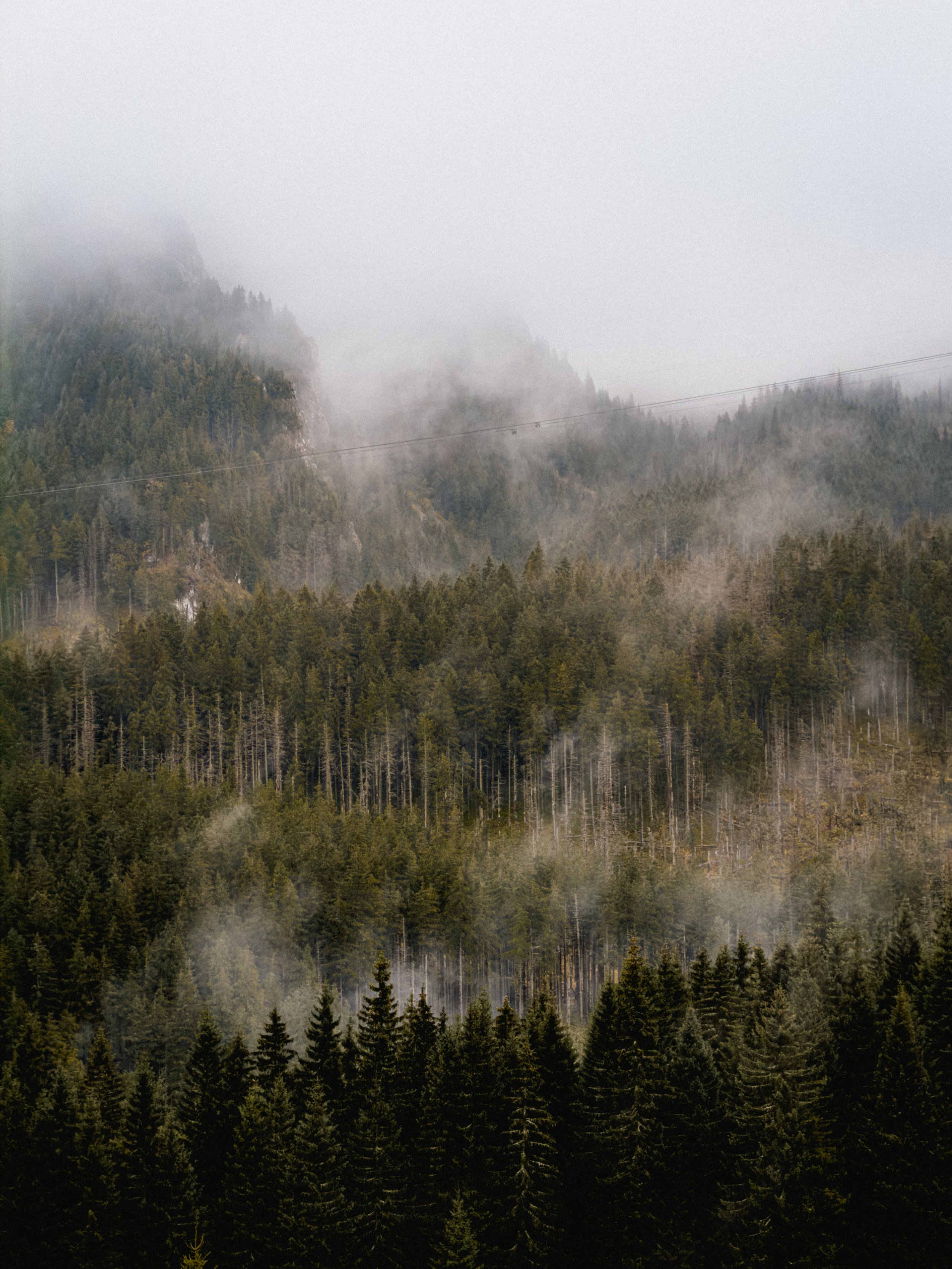
Shot on iPhone.
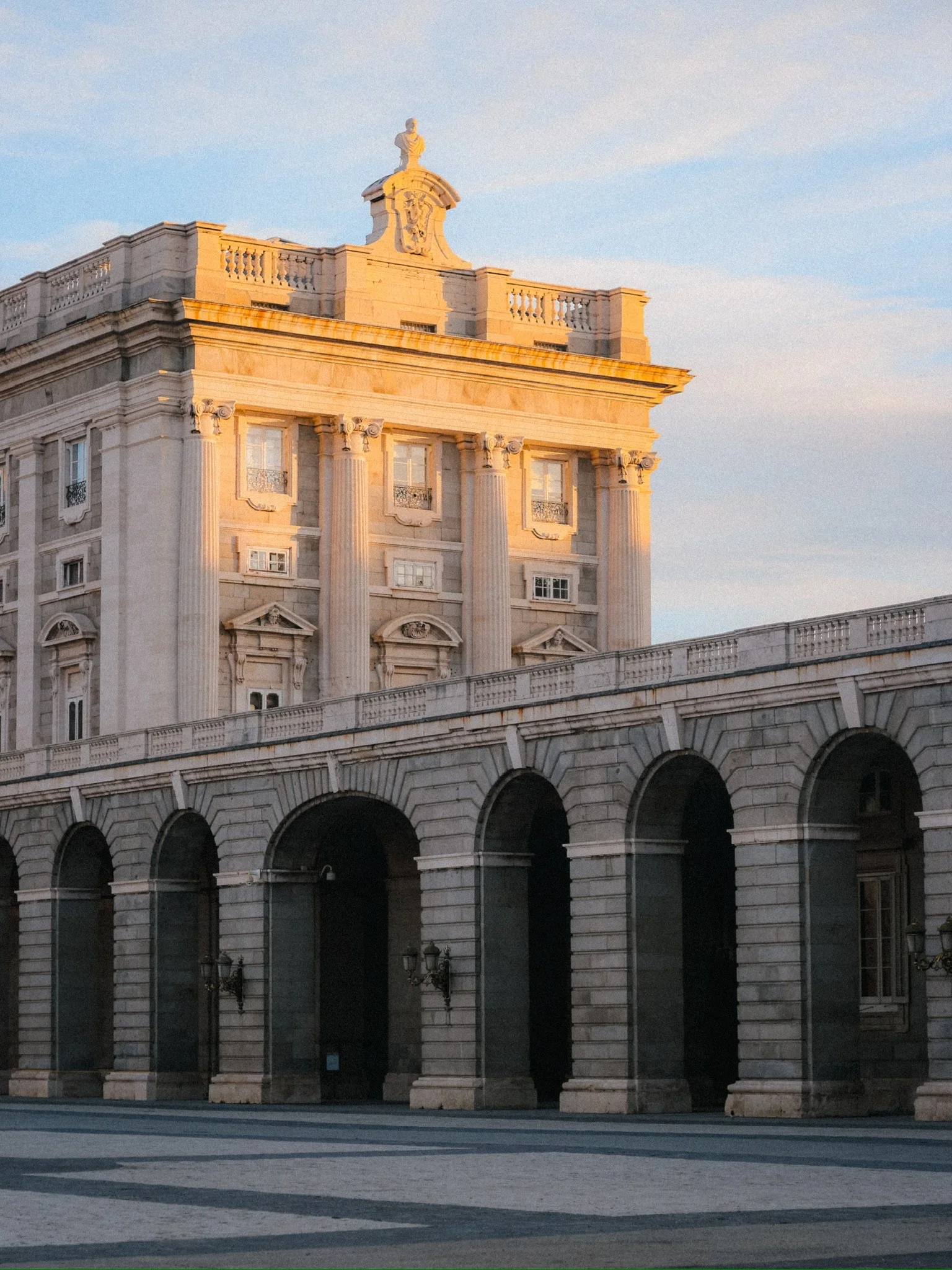
Shot on a 15 year-old Canon 600D.
So, as a beginner, you do not need the latest and greatest, you’re better spending your time learning about the theory of photography and then going out into the wild to practice what you’ve learnt. Someone with an old iPhone who understands composition, light and exposure can absolutely create a more compelling photograph than someone with no understanding of those things and a £6,000 Leica.
2. It’s Fine to Shoot in Auto but Learn the Basics
There is absolutely nothing wrong with shooting in auto to begin with.
There is no shame in shooting in auto mode, practising your photography and experimenting with composition and training your eye is highly beneficial, and if learning your settings is the blocker here - shoot in auto and get the reps in, familiarise yourself with your camera. Once you’ve done that, you can move to shooting in aperture priority (which is still my preferred method). Do whatever is easiest to actually get you out there taking photographs. Don’t let there be any barriers to you getting started.
Eventually, you'll probably find yourself moving away from auto and experimenting with aperture priority, shutter priority or manual depending on what you're trying to achieve. But there's no prize for getting out of auto as quickly as possible.
So, whilst I say don’t be afraid of needing to shoot in auto, this will always be a crutch rather than the full solution. If you want to progress as a photographer, it’s still worth learning about what these settings mean and how to use them, as you’ll find yourself outgrowing auto mode much sooner than you expected. The only way to level up is to be more in tune with how to use your camera and how to adjust settings to achieve the look you're after. There’s plenty of content around how to use your camera so I won’t explain in detail in this blog post, but if you can at least understand the exposure triangle, you’ll find you're able to level up your photography much more easily.
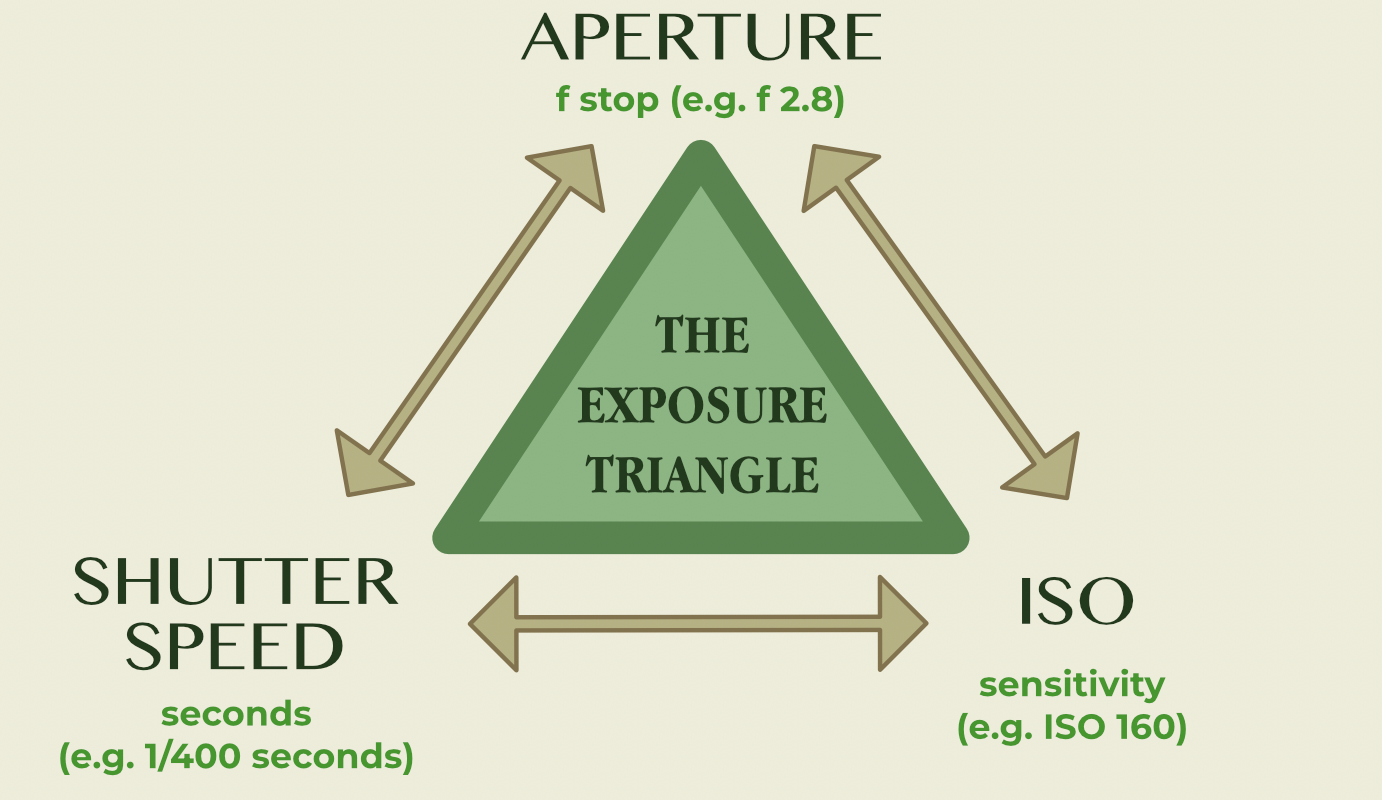
The Exposure Triangle
3. Create as much as you consume (Or Ideally Create Much More)
An alarming amount of what I’ve learnt about photography can be attributed to YouTube videos and inspiration from other photographers, so it’s incredibly important to consume media from people and artists that you admire. Just take a look at my YouTube wrapped, four of my top five are photography channels:
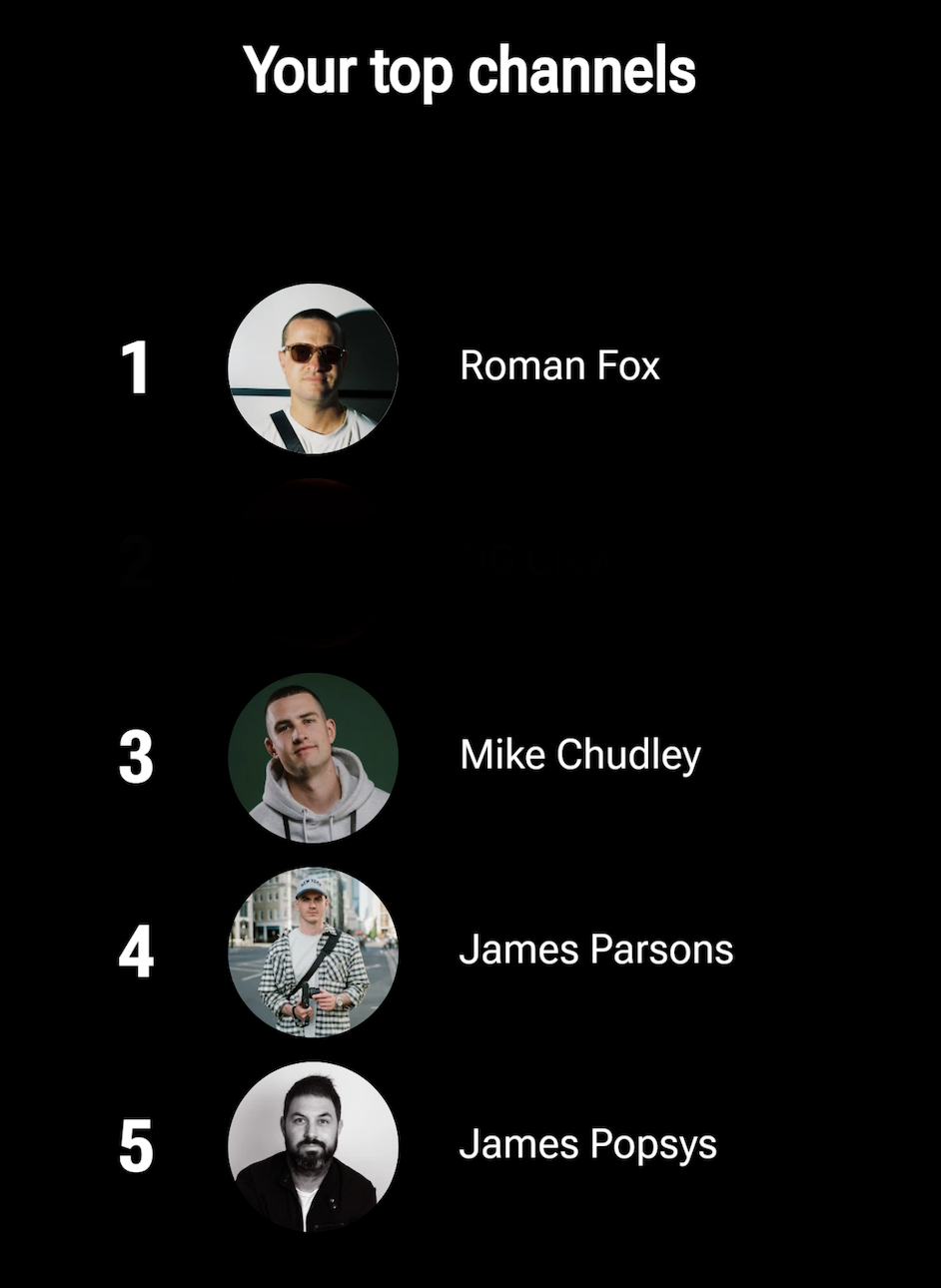
My Top 5 Channels 2025
The second one is a comedy channel so it didn’t fit the narrative, nothing weird, I promise…
It’s channels like this, photobooks, educational books, blogs like this etc. that can help you build up your knowledge on the theory of photography as I mentioned earlier, but also give you inspiration for your own photos.
However, don’t fall into the trap of just consuming and watching other people do it. It’s equally important to go out and shoot yourself, no matter how bad you think you are. Just watching the YouTube video or reading this blog isn’t going to help, you need to go out and experience taking photos yourself, and making the mistakes yourself so that you can learn from them. That was the game changer for me. There's a point where watching another photography video isn't going to teach you anything that going outside and taking 50 photos won't.
When I started taking my camera out with me everywhere, even if it was just to the shops, that’s when I started seeing improvements. You start noticing light differently. You start noticing interesting compositions on streets you've walked down a hundred times. You start thinking about how you'd photograph a scene before you've even taken your camera out; and that’s the key change that comes out of consistent practice. As James Parsons who’s included in that screenshot says, you’ve got to prioritise camera in hand time. He has a way with words that I simply don’t… So if you aren’t listening to me, you should definitely listen to James.
4. Editing Is Equally Important
Simply taking the photo isn’t the end of the process, arguably it’s only half of it.
There are often photography trends that circulate where it’s some variation of “here is the RAW vs the edited photo”, and the difference is meant to be so stark that you almost think - “wow, your RAW photos suck but your editing is ace!”
And whilst I think a lot of these are curated to elicit a response or to sell a preset pack (guilty… find my Fujifilm and iPhone presets here), they do illustrate something important: taking the photo is only part of the process.
Think of taking the photo as capturing the moment, and editing as adding your own interpretation to it.
Two photographers could stand in exactly the same spot, photograph exactly the same scene and end up with completely different images. One might want muted colours and a softer look; another might want punchy contrast and vibrant colours. Neither is necessarily “right” but they’re edited in their own unique styles, which is why I think learning how to edit is so key to the process.
Your choices when editing, from exposure to white balance, to even how you crop an image - all of these things affect how someone experiences the photograph and the message you want to convey through your art.
If you're a beginner, I'd focus on two things:
Shoot in RAW - it gives you much more flexibility when it comes to recovering highlights and shadows and making adjustments to your images.
Learn to edit.
You don't need to become an expert in Lightroom overnight, and you certainly don't need to buy a load of presets (yes, that includes mine - I’m a terrible salesman). Start by learning what the basic sliders actually do and experiment with your own photos.
Photography isn't just about capturing what was in front of you. It's also about deciding how you want people to see and perceive what you’ve captured.
So, if you're spending hours researching cameras and lenses but barely spending any time learning how to edit your photos, I'd recommend shifting that balance. The camera captures the starting point - the editing is where you can start putting your own unique spin on it.
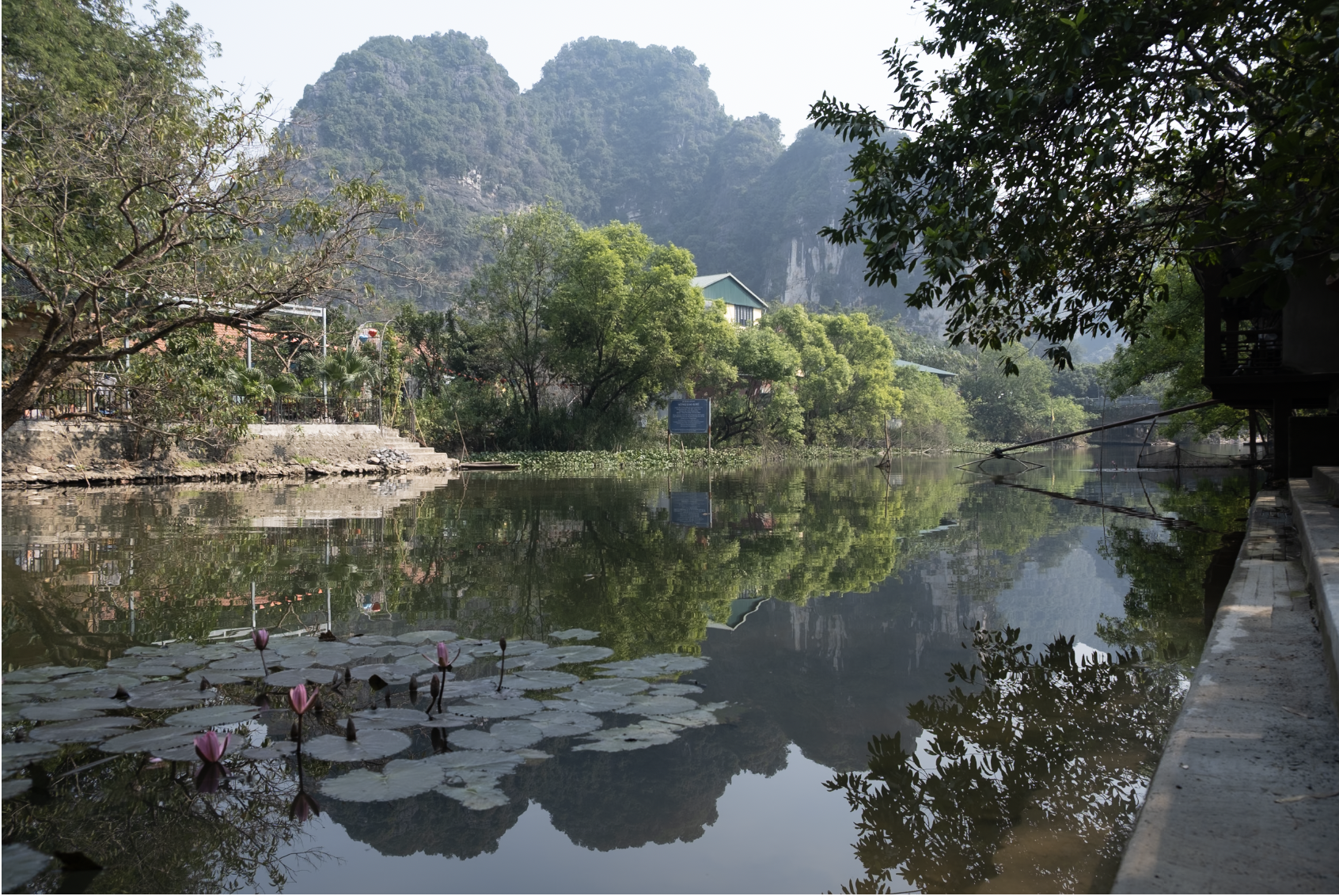
RAW image
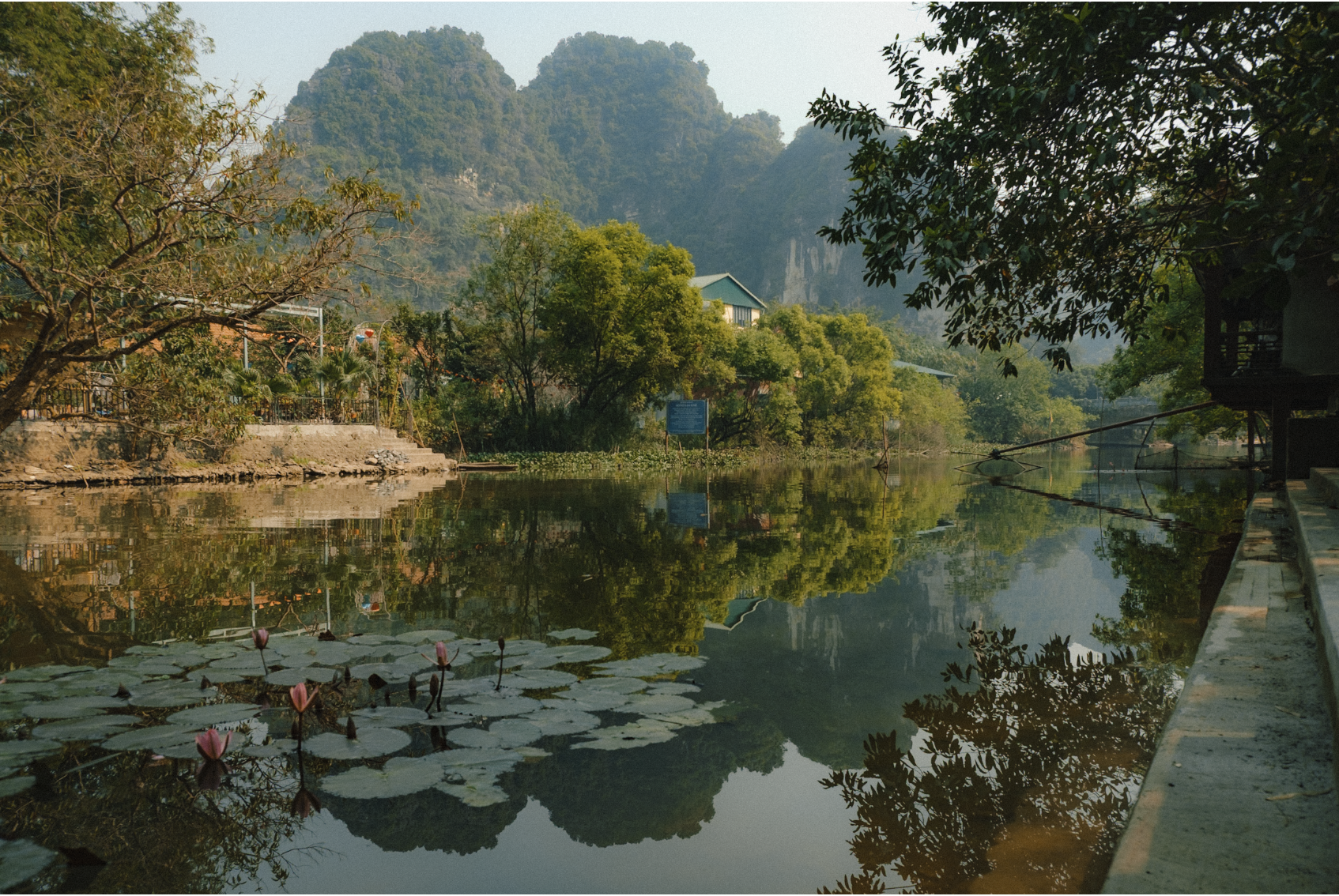
Image edited with my “Places” Preset
Therefore my advice to beginners is - spend a good portion of your time learning how to edit, not just learning about gear and how to take a photo. This is a skill that will serve you well as you progress through your photography journey.
Conclusion
There it is - those are the things I’d focus on as a beginner.
I’m hoping you can see a theme running through them which is largely: take action. Go out and shoot, go and edit your photos - don’t just sit around waiting for yourself to get better.
And if there's one thing I want you to take away from this, it's that you don't need to wait until you're better to start taking photography seriously.
You don't need the newest camera. You don't need to shoot manual. You don't need to know every setting. You don't need to understand every rule of composition.
You just need to start taking photographs.
Take your camera to the shops. Photograph your friends. Photograph your commute. Photograph things you've walked past a hundred times. Shoot badly, edit badly, sleep and repeat. Practice gives you experience - experience teaches you what works, and perhaps more importantly, what doesn’t work.
And then eventually, without really noticing it, you'll look back at those first photos and realise just how far you've come.